
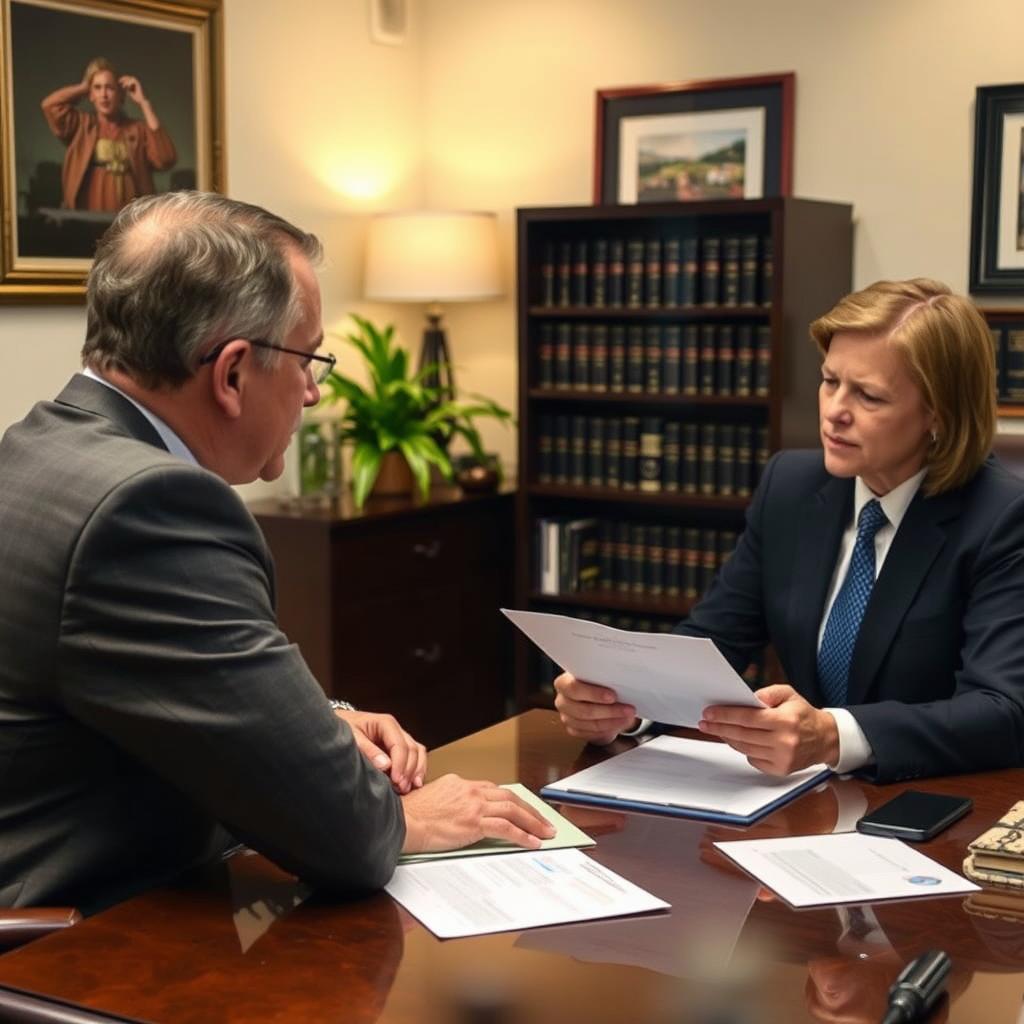
Beach Military Divorce Lawyer Falls Church, VA
For military families stationed in or connected to the Falls Church area, navigating a divorce requires an experienced attorney who understands both Virginia family law and the federal statutes that protect service members. At Law Offices Of SRIS, P.C., Mr. Sris and his Of Counsel team provide dedicated representation for active-duty personnel, reservists, veterans, and their spouses in beach military divorce matters. The Falls Church Circuit Court at 300 Park Avenue handles all divorce and equitable distribution proceedings, while the Falls Church Juvenile and Domestic Relations District Court addresses custody, support, and protective orders. Mr. Sris and his Of Counsel appear in these courts to protect clients’ interests under the Servicemembers Civil Relief Act and Virginia’s equitable distribution statute. Reach our location at (888) 437-7747 to schedule a consultation. Law Offices Of SRIS, P.C. – Advocacy Without Borders.
What Beach Military Divorce Means in Falls Church
A beach military divorce refers to the dissolution of a marriage where one or both spouses serve in the U.S. Armed forces, typically with ties to coastal installations like those in Hampton Roads, yet the legal proceedings occur in Falls Church, Virginia. Military families frequently relocate, but when a service member maintains Virginia domicile—often by continuing to vote, pay taxes, or own property here—Falls Church courts may have jurisdiction over the divorce. The Falls Church Circuit Court, located at 300 Park Avenue, Suite 151W, is where the divorce complaint is filed and where equitable distribution of assets, including military retired pay, is resolved. Neighboring Falls Church Juvenile and Domestic Relations District Court handles stand-alone custody, visitation, and child support disputes when no divorce action is pending or for temporary relief during the divorce.
Military divorces introduce layers of complexity beyond standard Virginia family law. The Servicemembers Civil Relief Act (SCRA), 50 U.S.C. § 3901 et seq., allows active-duty members to request a stay of proceedings if their military service prevents meaningful participation. The Uniformed Services Former Spouses’ Protection Act (USFSPA) governs state court authority to divide military retired pay. Virginia’s equitable distribution law, Va. Code § 20-107.3, requires the court to classify property as marital, separate, or hybrid and then divide marital assets fairly after considering eleven statutory factors. For military pensions, the marital share is typically calculated using the coverture fraction—the period of the marriage overlapping with creditable military service—and the division is implemented through a court order that the Defense Finance and Accounting Service (DFAS) can accept under the USFSPA. Mr. Sris and his Of Counsel bring extensive combined legal experience to these nuanced matters. Results may vary.
How Mr. Sris and His Of Counsel Handle Beach Military Divorce Cases
When you consult Mr. Sris and his Of Counsel about a military divorce in Falls Church, the first step is to identify all relevant Virginia jurisdictional facts: the service member’s domicile, residency history, and current duty station. Because military personnel often move frequently, it is not always obvious which state can hear the divorce. Mr. Sris and his Of Counsel verify the six-month residency and domiciliary requirement under Va. Code § 20-97 before filing the complaint in Falls Church Circuit Court, ensuring the case will not be dismissed for lack of jurisdiction.
Once jurisdiction is confirmed, the team focuses on the substantive issues that set military divorces apart. If the service member is deployed or about to deploy, they evaluate whether a stay under the SCRA is appropriate or whether temporary orders for custody and support should be sought immediately. They also categorize all military and civilian assets: Thrift Savings Plan accounts, survivor benefit plan elections, VA disability benefits (which are not divisible as marital property under federal law but may be considered as a resource for support), and military retired pay. Mr. Sris and his Of Counsel work with financial professionals when needed to value complex marital estates and to draft the detailed orders necessary for DFAS to process direct payments of a former spouse’s share of retired pay. In contested matters, they prepare for trial in the Falls Church Circuit Court, presenting evidence on the statutory factors for equitable distribution, spousal support, and child custody under Virginia’s best-interests standard. In uncontested situations, they negotiate and draft a marital settlement agreement that resolves all issues and allows the divorce to proceed on the no-fault separation grounds under Va. Code § 20-91(9).
About Mr. Sris and His Of Counsel Team
Mr. Sris, Owner and Founder of Law Offices Of SRIS, P.C., has been practicing since 1997 and is a former prosecutor. He is admitted in Virginia, Maryland, the District of Columbia, New Jersey, and New York, and his experience includes complex family law matters involving military families. Mr. Sris testified before the Virginia House Courts of Justice Committee in support of 2019 HB 635 (chief patron Del. David Bulova), which revised the equitable distribution statute for retirement benefits. His Of Counsel team includes attorneys with diverse backgrounds—including former law enforcement and prosecution experience—who collectively bring extensive combined legal experience to military divorce cases. Results may vary.
The team handles military divorce cases in Falls Church by drawing on decades of collective practice in Virginia’s circuit and J&DR courts. Every attorney engages through the firm’s Fairfax location and appears for clients at the Falls Church General District Court and Circuit Court as needed. Contact our Fairfax location at (888) 437-7747 to discuss your situation with Mr. Sris or a member of his Of Counsel team.
Frequently Asked Questions
What is a beach military divorce in Virginia?
A beach military divorce is a divorce involving a service member or military spouse, often raising unique issues such as deployment stays, pension division, and SCRA protections. Virginia courts handle these cases with statutory factors under Va. Code § 20-91 and the Uniformed Services Former Spouses’ Protection Act. The term “beach” reflects the high concentration of military families stationed near coastal bases like Naval Station Norfolk, though Falls Church lawyers can represent clients anywhere in the state. Mr. Sris and his Of Counsel are experienced in resolving these cases through negotiation or litigation.
How does military retirement division work in a Falls Church divorce?
Military retired pay is marital property under Virginia law subject to equitable distribution, and the court can divide the marital share using a court order acceptable for processing by the Defense Finance and Accounting Service. The marital share is often calculated using the coverture fraction, comparing the length of the marriage overlapping with creditable military service to the total years of service. If the former spouse qualifies under the 10/10 rule—at least ten years of marriage overlapping ten years of service—they may receive direct payments from DFAS. Otherwise, the service member remains responsible for paying the awarded share.
Does the Servicemembers Civil Relief Act affect my divorce timeline?
Yes, the SCRA allows active-duty service members to request a stay of proceedings if military duties materially impair their ability to participate, which may delay the divorce timeline. However, the court can still rule on temporary custody, child support, and protective orders even while a stay is in place. Mr. Sris and his Of Counsel help clients assess whether seeking a stay is strategically advisable and, if they are the non-military spouse, how to pursue relief without unnecessary delay.
Can I file for divorce in Falls Church even if my spouse is stationed elsewhere?
Yes, if you meet Virginia’s six-month residency and domicile requirement, you can file in the Falls Church Circuit Court regardless of where your spouse is stationed. Many service members stationed out of state retain Virginia domicile by maintaining voter registration, a Virginia driver’s license, or property ties. Mr. Sris and his Of Counsel review your particular circumstances to confirm that Falls Church is the proper venue before filing.
What should I do if my spouse is deployed and I need court orders for custody or support?
You may file a petition for pendente lite relief in the Falls Church Juvenile and Domestic Relations Court to obtain temporary custody, visitation, and support orders, even while your spouse is deployed. The court considers the deployed parent’s absence and the children’s best interests. Mr. Sris and his Of Counsel work to put orders in place that provide stability for the family until the service member returns and the divorce can proceed.
How does a Virginia court handle child custody when a military parent faces deployment?
Virginia courts determine custody based on the best interests of the child under Va. Code § 20-124.3, and deployment alone does not strip a parent of custodial rights. The court may enter a temporary custody order that accommodates the service member’s deployment schedule and may include provisions for electronic visitation and a plan to resume custody upon return. A family care plan submitted by the military parent can influence the court’s decision. For guidance on your specific situation, reach Law Offices Of SRIS, P.C. at (888) 437-7747.
Related Virginia family law pages:
Fairfax County Family Law Lawyer |
Prince William County Family Law Lawyer |
Military Divorce Lawyer Virginia
Virginia primary legal resources:
Virginia Code Title 20 – Domestic Relations |
Virginia Judicial System |
Va. Code § 20-91 (Divorce Grounds)
Attorney advertising. Prior results do not guarantee a similar outcome. Case results depend on a variety of factors unique to each case. Results may vary.