
Spousal Support Lawyer Manassas, VA
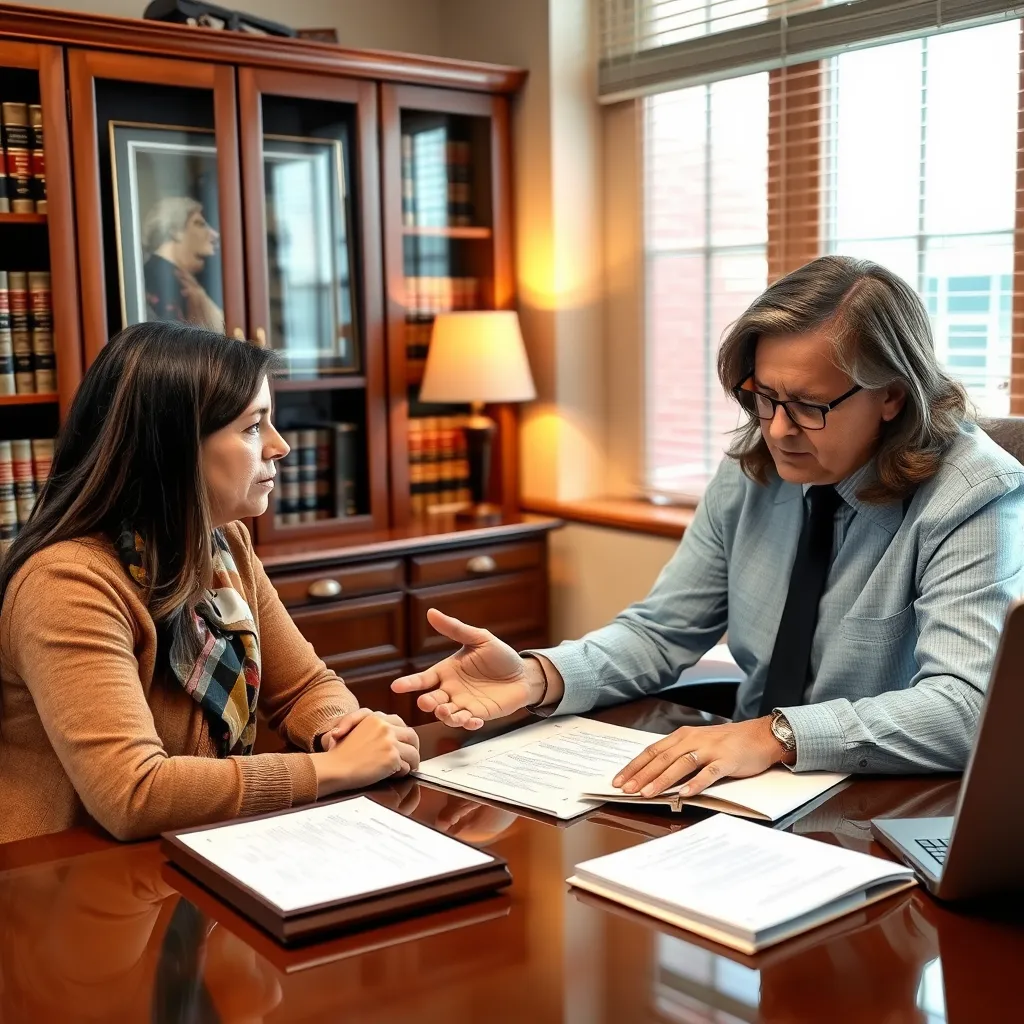
Spousal support—often called alimony—can be one of the most contested issues in a Manassas divorce. Whether you are seeking support or facing a request to pay it, the outcome hinges on a detailed statutory analysis and a clear presentation of the financial facts. Law Offices Of SRIS, P.C. Concentrates its family law practice in the Virginia trial courts that serve Manassas, including the Manassas Circuit Court and the Juvenile and Domestic Relations District Court. Mr. Sris and the firm’s Of Counsel attorneys work with clients to evaluate earning capacity, the duration of the marriage, and the other factors that Virginia courts weigh under Va. Code § 20‑107.1. The firm’s approach is practical and direct: explain the statutory framework, build a record that supports the client’s position, and present the case effectively. To discuss spousal support in your situation, reach the firm at (888) 437‑7747. Law Offices Of SRIS, P.C. – Advocacy Without Borders.
What Spousal Support Means in Manassas, Virginia
Virginia is an equitable-distribution state, not a community-property state. Spousal support is determined separately from property division, though the two often interact. The Manassas Circuit Court—located at 9311 Lee Avenue, Suite 230, Manassas, Virginia 20110—has exclusive jurisdiction over divorce and spousal support. The Manassas Juvenile and Domestic Relations District Court handles separate support and custody matters that may arise before a divorce is filed.
Under Va. Code § 20‑107.1, the court considers thirteen statutory factors when deciding whether to award support, its amount, and its duration. Those factors include each spouse’s earning capacity, the standard of living established during the marriage, the duration of the marriage, and the contributions—both monetary and non‑monetary—each spouse made to the family. The court also examines the grounds for divorce if fault is at issue, because fault can affect the support determination.
Because Manassas is part of the Thirty‑first Judicial District, cases here move on the court’s calendar with local practice expectations that experienced counsel knows. A well‑prepared presentation of income, expenses, and earning potential makes a significant difference whether the matter is resolved through negotiation, mediation, or trial.
How Mr. Sris and the Firm’s Of Counsel Attorneys Handle Spousal Support Cases
Representation begins with a careful review of the financial picture. Mr. Sris and the firm’s Of Counsel attorneys help clients gather tax returns, pay stubs, business records, and retirement account statements so that the true income available for support is clear. For a spouse seeking support, the focus is on demonstrating need and the other spouse’s ability to pay. For the paying spouse, the focus is on presenting an accurate picture of income that accounts for legitimate business expenses, tax obligations, and personal living costs.
Many spousal support disputes in Manassas are resolved through negotiation or mediation before reaching a final hearing. The firm’s attorneys are experienced in drafting separation agreements that include support terms designed to withstand later challenge. When agreement is not possible, the attorneys prepare for a contested evidentiary hearing in the Manassas Circuit Court, presenting testimony of the parties and, when helpful, financial professionals. The goal is a support order that is fair under the statutory factors and workable for both sides going forward. If circumstances change after an order is entered, the firm also handles support modification proceedings based on a material change in circumstances under Virginia law.
About Mr. Sris and the Firm’s Of Counsel Attorneys
Mr. Sris, Owner and Founder of Law Offices Of SRIS, P.C., is a former prosecutor who has practiced family law since the firm was founded in 1997. He is admitted in Virginia, Maryland, the District of Columbia, New Jersey, and New York. Mr. Sris testified before the Virginia House Courts of Justice Committee in support of 2019 HB 635 (chief patron Del. David Bulova), a bill that revised the portion of the equitable‑distribution statute relating to retirement and pension division. His legislative testimony reflects a long‑standing focus on making family‑law statutes workable for the people affected by them.
The firm’s Of Counsel attorneys bring additional depth to spousal support matters. Each Of Counsel attorney is an experienced lawyer in his or her own right, practicing collaboratively with Mr. Sris on the cases they handle together. The firm draws on extensive combined legal experience between Mr. Sris and its Of Counsel attorneys to address both the financial analysis and the courtroom presentation that spousal support cases require. Results may vary.
Frequently Asked Questions
Can spousal support be modified after a divorce in Manassas, Virginia?
Yes, a spousal support order can be modified if there has been a material change in circumstances. The party seeking modification must file a motion in the Manassas Circuit Court and prove that a significant and unanticipated change has occurred—such as a substantial change in income, health, or employment—that justifies adjusting the support amount or duration. The court evaluates the change against the original statutory factors under Va. Code § 20‑107.1. An experienced attorney can assess whether your situation meets the threshold and present the evidence clearly.
What factors does the Manassas Circuit Court consider when awarding spousal support?
The court evaluates thirteen statutory factors, including the earning capacity of each spouse, the duration of the marriage, the standard of living during the marriage, and contributions to the family. Additional factors include the age and health of each party, the extent to which one spouse contributed to the other’s education or career, and any fault that led to the divorce. The Manassas court weighs all of these in reaching a decision that is fair under the specific facts of the case. No single factor controls.
Do I need a lawyer for a spousal support case in Manassas?
You are not legally required to hire a lawyer, but spousal support cases involve complex financial and statutory issues that benefit from experienced representation. The outcome can affect your monthly budget for years. An attorney can help you present income and expense evidence in the way the Manassas court expects and negotiate terms that are realistic and enforceable. For guidance on your specific situation, reach Law Offices Of SRIS, P.C. at (888) 437‑7747.
How does a separation agreement affect spousal support in Virginia?
A separation agreement that addresses spousal support can bind both parties and avoid a contested hearing. If the agreement is signed voluntarily and is fair at the time it is made, the Manassas Circuit Court will generally enforce its terms. The advantage is that the parties control the outcome rather than leaving it to a judge. The firm’s attorneys have drafted many such agreements that include spousal support provisions tailored to the specific financial circumstances of the marriage.
What is the difference between spousal support and equitable distribution in Virginia?
Equitable distribution divides marital property and debts, while spousal support is a continuing payment from one spouse to the other based on need and ability to pay. The two are separate legal claims, but the amount of property one spouse receives can affect the need for support. The Manassas Circuit Court decides both issues in a divorce. Knowing how to coordinate property division and support requests can lead to a more favorable overall settlement.
How does the Manassas Circuit Court handle spousal support pendente lite—while the divorce is pending?
The court can order temporary spousal support, called pendente lite support, to maintain the status quo during the divorce proceeding. A motion for pendente lite relief can be heard relatively early in the case. The court will examine immediate financial needs and the other spouse’s ability to pay, often without a full trial on the merits. This temporary order bridges the gap until a final support determination is made. Contact Law Offices Of SRIS, P.C. at (888) 437‑7747 to discuss whether pendente lite support may be appropriate in your situation.
Related practice pages:
- Fairfax County family law representation
- Prince William County family law attorney
- Manassas Park family law lawyer
- Falls Church family law representation
Primary-source resources:
Attorney advertising. Prior results do not guarantee a similar outcome. Results may vary.
Case results depend on a variety of factors unique to each case.