
Note: This article is confirmed by Law Offices Of SRIS, P.C.
WRITTEN BY: Mr. Sris
Since 1997, Mr. Sris has led the firm, focusing on the most challenging criminal and family law cases. His background in accounting and information management aids in financial and technology-related cases. Involved in significant legislative changes in Virginia. Mr. Sris is licensed in Virginia, Maryland, District of Columbia, New Jersey, and New York.
Divorce Lawyer Manassas VA
What is Divorce Lawyer Manassas VA
Divorce in Virginia follows specific legal procedures that require careful attention. The process begins with determining grounds for divorce, which can be based on fault or no-fault reasons. Virginia recognizes both contested and uncontested divorces, each following different timelines and requirements. Understanding these distinctions helps in planning the appropriate legal approach.
Legal separation involves formal agreements while living apart, which can affect property rights and support obligations. The waiting period for divorce varies depending on whether children are involved and the grounds cited. Proper documentation and adherence to residency requirements are necessary for the court to accept the case.
Virginia courts consider multiple factors when making decisions about marital property division. These include contributions to the marriage, economic circumstances, and the duration of the union. Separate property generally remains with the original owner, while marital property gets divided equitably, though not necessarily equally.
Child custody and support determinations focus on the children’s best interests. Courts examine parenting abilities, existing relationships, and practical considerations like school and community connections. Support calculations follow state guidelines based on income, expenses, and time-sharing arrangements.
How to Find Divorce Lawyer in Manassas
Begin your search by identifying attorneys who regularly handle divorce cases in Prince William County. The Virginia State Bar website provides information about licensed attorneys and any disciplinary history. Local bar associations may offer referral services that connect people with qualified family law practitioners.
Review attorney websites and online profiles to understand their approach to divorce cases. Look for information about their experience with cases similar to yours, whether involving involved assets, business interests, or child custody disputes. Professional affiliations and continuing education in family law indicate ongoing commitment to the field.
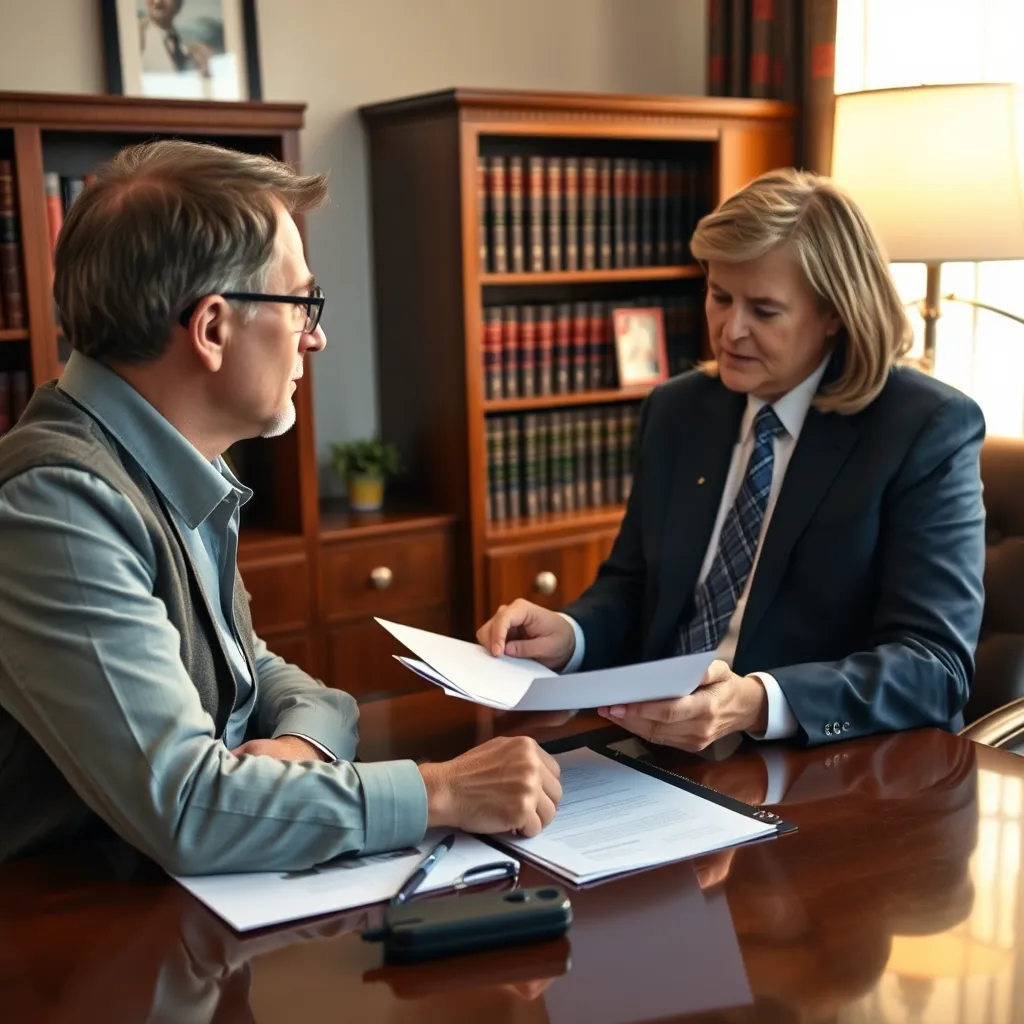
Schedule initial consultations with several attorneys to compare their perspectives. Prepare questions about their experience with Virginia divorce law, typical case timelines, and communication practices. Discuss fees and billing structures to understand financial expectations from the beginning.
During consultations, share relevant details about your marriage, assets, children, and concerns. A good attorney will listen carefully, ask clarifying questions, and provide initial thoughts about your situation. They should explain Virginia’s legal framework and how it applies to your circumstances.
Evaluate how comfortable you feel communicating with each attorney. The divorce process requires ongoing discussions about sensitive matters, so establishing a good working relationship matters. Consider whether the attorney’s style matches your preferences for collaboration and decision-making.
Can I Handle Divorce Without Lawyer in Manassas
Virginia law permits individuals to represent themselves in divorce proceedings, known as proceeding pro se. The courts provide forms and instructions for those choosing this path. However, the legal system operates on specific rules and procedures that can challenge those without legal training.
Uncontested divorces where both parties agree on all terms may seem straightforward, but still require proper completion of legal documents. Missing information, incorrect formatting, or failure to include required attachments can delay the process or result in rejection of filings. Court clerks provide procedural guidance but cannot offer legal advice.
Property division agreements need to address Virginia’s equitable distribution principles. Without proper understanding of what constitutes marital versus separate property, individuals might unintentionally waive rights to assets. Support agreements must meet legal standards to be enforceable and modifiable if circumstances change.
Child-related agreements require particular care as they affect children’s wellbeing and parental rights. Parenting plans must address decision-making, time-sharing schedules, and dispute resolution methods. Support calculations follow specific guidelines that consider multiple factors beyond simple income percentages.
Legal errors in divorce agreements can create problems that surface years later. Issues with property division, tax implications, or support terms might not become apparent until well after the divorce concludes. Correcting these problems often requires returning to court, which can be more costly than initial legal representation.
Why Hire Divorce Lawyer Manassas VA
Legal representation brings knowledge of Virginia’s divorce statutes and local court procedures. Attorneys understand how judges in Prince William County typically approach various divorce issues, which helps in developing realistic expectations and strategies. They stay current with legal developments that might affect your case.
Attorneys handle the procedural aspects of divorce, including filing requirements, deadlines, and court appearances. This allows you to focus on personal adjustments rather than administrative details. Proper procedural handling helps avoid delays that can prolong the divorce process unnecessarily.
During negotiations, attorneys provide objective perspective on settlement proposals. They can evaluate offers based on legal standards and typical outcomes in similar cases. This helps in making informed decisions rather than emotional reactions during difficult discussions.
For contested matters, attorneys develop effective legal arguments and present evidence according to court rules. They know what documentation strengthens a position and how to address weaknesses in the opposing side’s arguments. Courtroom experience helps in presenting your case effectively if litigation becomes necessary.
Financial matters receive careful attention with professional representation. Attorneys work with financial professionals when needed to properly value assets, analyze income for support calculations, and address tax implications of different settlement options. This comprehensive approach helps achieve financially sound outcomes.
Child-related issues benefit from legal guidance focused on children’s best interests while protecting parental rights. Attorneys help develop parenting plans that address practical realities and include provisions for future changes as children grow and circumstances evolve.
FAQ:
What are Virginia’s residency requirements for divorce?
At least one spouse must live in Virginia for six months before filing. For military personnel, different rules may apply.
How long does divorce take in Virginia?
Uncontested divorces typically take 2-3 months after filing. Contested cases vary based on court schedules and case challenge.
What is the difference between contested and uncontested divorce?
Uncontested means both agree on all terms. Contested means disagreements exist requiring court decisions.
How does Virginia divide property in divorce?
Virginia follows equitable distribution principles, dividing marital property fairly based on multiple statutory factors.
What factors affect child custody decisions?
Courts consider children’s best interests, including parental relationships, home stability, and practical care arrangements.
How is child support calculated in Virginia?
State guidelines consider both parents’ incomes, childcare costs, health insurance expenses, and time-sharing arrangements.
Can I get spousal support in Virginia?
Courts may award support based on factors like marriage duration, earning capacities, and marital lifestyle.
What are grounds for divorce in Virginia?
Grounds include separation, adultery, cruelty, desertion, felony conviction, and constructive desertion.
Do I need to be separated before filing for divorce?
For no-fault divorce based on separation, you must live apart for required periods before filing.
Can divorce terms be modified later?
Child support and custody can often be modified with changed circumstances. Property division generally cannot.
What happens if my spouse won’t sign divorce papers?
The divorce can proceed through contested proceedings if your spouse refuses to participate or agree.
How much does divorce cost in Virginia?
Costs vary based on case challenge, attorney fees, court costs, and whether the divorce is contested.
Past results do not predict future outcomes