
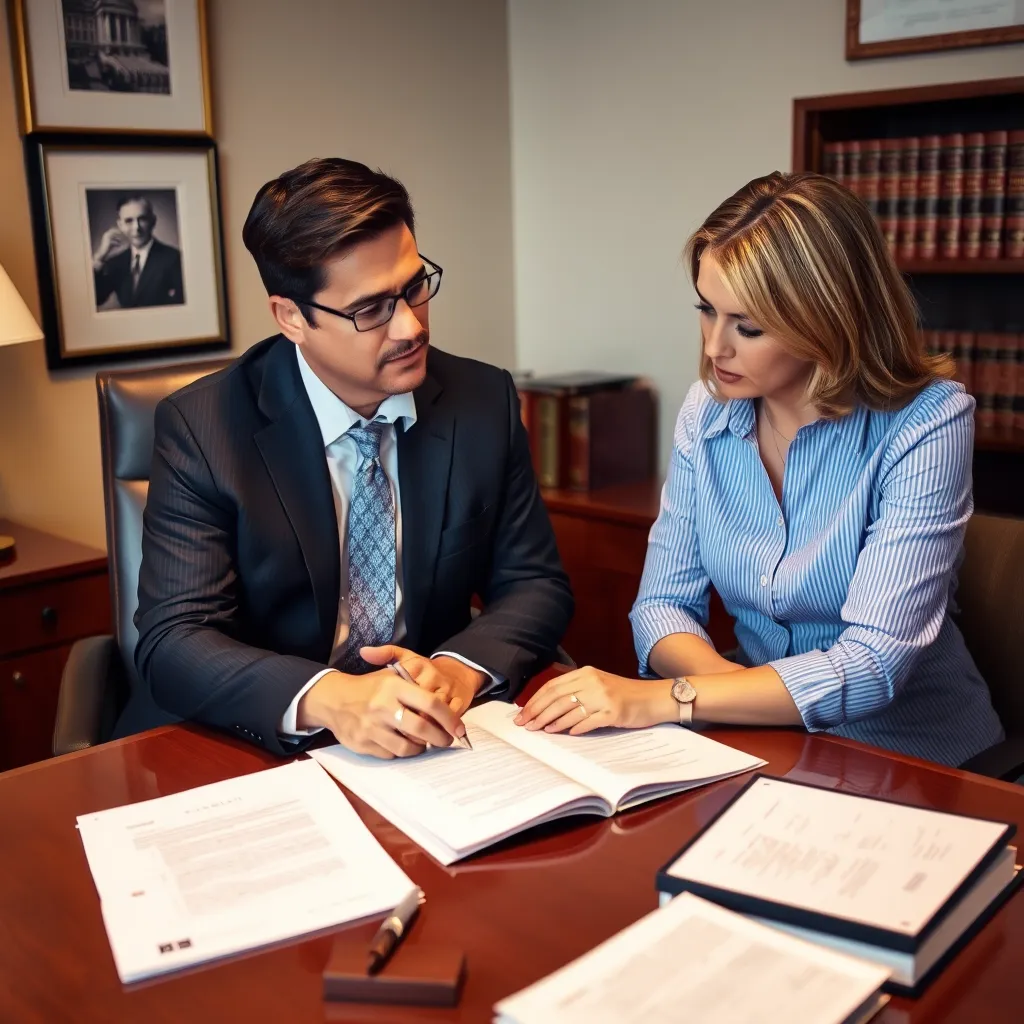
Fault Based Divorce Lawyer Fairfax, VA
Virginia recognizes both no-fault and fault grounds for divorce, and choosing the right path directly affects how property is divided and whether spousal support is awarded. When one spouse’s misconduct forms the basis for ending the marriage, understanding what that means under Va. Code § 20‑91 is essential. Mr. Sris and his Of Counsel team at Law Offices Of SRIS, P.C. represent clients throughout Fairfax—both Fairfax County and Fairfax City—in fault‑based divorce cases built on adultery, cruelty, willful desertion, or felony conviction. The firm works to position each client for a fair outcome while navigating the procedural requirements of the Fairfax County Circuit Court and the Fairfax City Circuit Court. Reach Law Offices Of SRIS, P.C. at (888) 437‑7747 to request a consultation about a fault‑based divorce in Fairfax, Virginia.
What Fault‑Based Divorce Means in Fairfax, Virginia
A fault‑based divorce in Virginia alleges that the other spouse committed a legally recognized marital wrong. Under Va. Code § 20‑91, the fault grounds are adultery, cruelty or reasonable apprehension of bodily hurt, willful desertion or abandonment lasting one year, and sentencing to confinement for more than one year after a felony conviction. Unlike a no‑fault separation—which requires six months or one year of separation depending on whether the couple has minor children—fault grounds can proceed without a waiting period. Adultery, in particular, permits an immediate filing if the evidence is sufficient.
In Fairfax, fault‑based divorce matters are heard in the circuit courts. Fairfax County Circuit Court, located at 4110 Chain Bridge Road, Fairfax, handles divorce filings, equitable distribution, and spousal support for residents of the county and surrounding communities. Fairfax City Circuit Court, at 10455 Armstrong Street, Room 101, Fairfax, serves litigants in the independent city. Virginia’s equitable‑distribution statute, § 20‑107.3, applies regardless of where the case is filed, but each courthouse has its own calendar rhythms, and local familiarity can help avoid procedural delays. A corroborating witness is required even in uncontested divorce hearings, and a property settlement agreement signed by both parties can resolve all issues without a trial. Mediation is available but not mandatory. For complex marital estates involving business valuations or retirement assets, forensic accountants and business valuators are frequently used.
Fairfax City General District Court is currently presided over by Hon. Michael Joseph Holleran. Court hours: Mon‑Fri 8:30 AM‑4:30 PM. Counsel appearing on family law matters should plan filings accordingly.
How Mr. Sris and His Of Counsel Handle Fault‑Based Divorce Cases
Mr. Sris and his Of Counsel bring extensive combined legal experience to fault‑based divorce cases. Results may vary. The process typically begins with a detailed discussion of the facts: what evidence exists to support the fault ground, how the grounds may interact with the equitable‑distribution factors, and whether asserting fault is strategically beneficial. Because fault can bar spousal support for the offending spouse under Va. Code § 20‑107.1 and may influence the court’s division of marital assets, an early evaluation of the strength of the claim is critical.
Once a Complaint is filed in the appropriate circuit court, discovery may include interrogatories, document requests, and depositions to gather proof of the alleged misconduct. The court may enter pendente lite orders during the case to address temporary custody, support, and exclusive use of the family home. Mr. Sris and his Of Counsel frequently negotiate with opposing counsel to narrow the contested issues, but when a negotiated resolution is not possible, they are prepared to present the fault evidence at trial. The timeline for a fault‑based divorce varies depending on court scheduling, the complexity of the marital estate, and whether the parties reach a separation agreement before trial. Every effort is made to protect the client’s interests while keeping the matter moving forward.
About Mr. Sris and His Of Counsel Team
Mr. Sris, Owner and Founder of Law Offices Of SRIS, P.C., has been practicing since 1997. A former prosecutor, he has first‑hand insight into how evidence is evaluated and how opposing parties build their cases. Mr. Sris is admitted to practice in Virginia, Maryland, the District of Columbia, New Jersey, and New York. He testified before the Virginia House Courts of Justice Committee in support of 2019 HB 635 (chief patron Del. David Bulova), a bill that revised the equitable‑distribution statute, § 20‑107.3(g). That legislative involvement reflects a thorough understanding of Virginia’s property‑division framework.
Mr. Sris is joined by a team of Of Counsel attorneys—all experienced litigators who increase the firm’s collective capacity while Mr. Sris remains closely involved in each family‑law matter. Together, they have handled divorce cases involving high‑net‑worth estates, business ownership, retirement assets, and cross‑border elements. The firm’s Fairfax location serves clients at both the Fairfax County and Fairfax City courts, and the team is available for consultations by appointment. Call (888) 437‑7747 to discuss your situation.
Frequently Asked Questions
What is a fault‑based divorce in Virginia?
A fault‑based divorce is one in which the spouse seeking the divorce alleges that the other spouse committed a specific marital wrong recognized by Virginia law. Under Va. Code § 20‑91, the four fault grounds are adultery, cruelty or reasonable apprehension of bodily hurt, willful desertion or abandonment for one year, and conviction of a felony with a sentence of confinement of more than one year. Unlike a no‑fault divorce, which relies on a separation period, a fault ground may allow the divorce to proceed immediately. The court that handles the divorce is the circuit court of the city or county where one spouse resides.
What are the fault grounds for divorce in Virginia?
Virginia recognizes adultery, cruelty, desertion, and felony conviction as fault grounds for divorce. Adultery requires proof of a sexual relationship with a person other than the spouse, and a divorce granted on this ground can bar the offending spouse from receiving spousal support. Cruelty must involve conduct that causes reasonable apprehension of bodily harm. Desertion requires proof that the spouse willfully left the marital home and stayed away for one continuous year. A felony conviction experienced to a sentence of more than one year is also a ground, but the divorce petition must be filed while the parties are lawfully married and cohabitation has ceased. These grounds are set out in Va. Code § 20‑91.
How does fault affect property division and spousal support in Fairfax?
A fault ground can affect both the division of marital property and the availability of spousal support. Virginia is an equitable‑distribution state, not a community‑property state, so the court divides marital assets and debts based on the factors listed in Va. Code § 20‑107.3. Evidence of marital misconduct, particularly adultery, is one of the circumstances that the court may weigh when deciding a fair division. A spouse found guilty of adultery is barred from receiving spousal support unless the court finds that a denial would create a manifest injustice. Fault may also influence the amount and duration of support for the receiving spouse. Because each case is highly fact‑specific, the outcome depends on the evidence presented at the circuit court in Fairfax.
Do I need a lawyer for a fault‑based divorce in Fairfax, VA?
While you are not legally required to hire a lawyer, proceeding with a fault‑based divorce without experienced legal counsel carries significant risks. Fault grounds must be proven with clear and convincing evidence. The rules of evidence and procedure in the Fairfax circuit courts can be complex, and Virginia requires a corroborating witness even for an uncontested divorce. An attorney can help gather and present the necessary proof, assess whether the fault ground is viable, and protect your interests regarding property, support, and custody. Mr. Sris and his Of Counsel have handled fault‑based divorce cases in Fairfax County and Fairfax City and provide counsel on whether pursuing a fault ground is the right strategic choice. Reach Law Offices Of SRIS, P.C. at (888) 437‑7747 for a consultation.
How much does a fault‑based divorce cost in Fairfax, Virginia?
The cost of a fault‑based divorce in Fairfax varies depending on whether the case is contested, the complexity of the marital estate, and the attorney’s fees. The Circuit Court filing fee for a divorce complaint is set by the court, and sheriff service of process costs vary; a private process server may charge between $50 and $100. A Guardian ad Litem for custody issues can range from $500 to over $2,500. Mediation, if the parties choose to use it, typically costs $100 to $300 per hour per party. Attorney’s fees are separate and depend on the time the case requires. For guidance on your specific situation, reach Law Offices Of SRIS, P.C. at (888) 437‑7747.
How long does a fault‑based divorce take in Fairfax?
The timeline for a fault‑based divorce in Fairfax depends on whether the case is contested and on the court’s schedule. Because fault grounds do not require the six‑month or one‑year separation period that a no‑fault divorce demands, the initial filing can proceed more quickly once the evidence is ready. An uncontested fault divorce—where the parties reach a separation agreement on all issues—may be finalized in a matter of months after filing. A contested case, on the other hand, typically takes longer because of discovery, motions, and trial scheduling. Complex equitable‑distribution cases involving business valuations or pension division can extend the timeline further. The Fairfax County and Fairfax City circuit courts each have their own dockets, and the time to a final decree varies accordingly.
Attorney advertising. Prior results do not guarantee a similar outcome.
Case results depend on a variety of factors unique to each case.
Results may vary.