
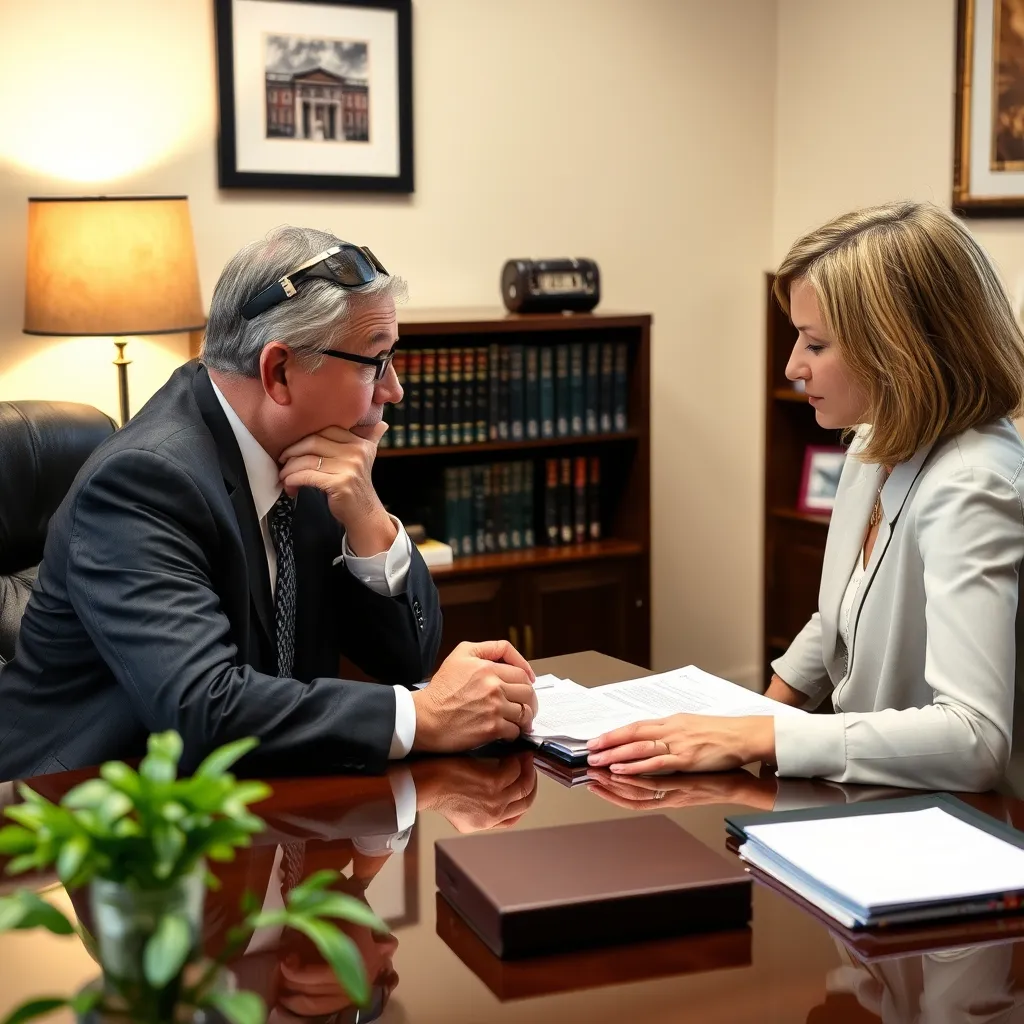
Relative Adoption Lawyer Manassas, VA
Relative adoption allows a family member—such as a grandparent, aunt, uncle, or adult sibling—to legally become a child’s parent when the biological parents are unable or unwilling to care for them. In Manassas, Virginia, these cases proceed under Virginia Code § 63.2-1200 et seq., and the Manassas Circuit Court has jurisdiction over adoption proceedings. Mr. Sris, Owner and Founder of Law Offices Of SRIS, P.C., and the firm’s Of Counsel attorneys guide families through every step of a relative adoption, from preparing the petition to finalizing the decree. The firm’s Fairfax Location serves clients throughout Prince William County, including Manassas and Manassas Park. To discuss a relative adoption matter, reach Law Offices Of SRIS, P.C. at (888) 437-7747. Law Offices Of SRIS, P.C. – Advocacy Without Borders.
What Relative Adoption Means in Manassas, Virginia
Relative adoption is the legal process by which a child’s biological parent’s rights are terminated and a relative is established as the child’s lawful parent. In Virginia, the adoption code is found in Title 63.2 of the Virginia Code. The Manassas Circuit Court, located at 9311 Lee Avenue, Suite 230, Manassas, VA 20110, handles all adoption cases in the city. The Manassas Juvenile and Domestic Relations District Court may be involved if there are concurrent custody or child welfare proceedings.
Relative adoptions often move more quickly than non-relative adoptions because the child is already placed with a family member. However, the process still requires a home study, consent from the biological parents (unless their rights have been terminated by the court), and a final hearing before a judge. The court’s paramount concern is the best interests of the child. Mr. Sris and the firm’s Of Counsel attorneys have guided numerous Manassas families through relative adoptions, working to address legal requirements and family dynamics in a way that minimizes conflict.
How Mr. Sris and the Firm’s Of Counsel Attorneys Handle Relative Adoption Cases
Law Offices Of SRIS, P.C. approaches each relative adoption with careful preparation. The process begins with a detailed review of the family history, the child’s circumstances, and the legal relationship between the petitioner and the child. The firm’s attorneys then prepare the petition for adoption, arrange for the required home study, and handle service of process on all necessary parties—including any absent biological parent.
In Manassas, the Circuit Court requires that the adoption be in the child’s best interests, and the judge will consider factors such as the child’s relationship with the petitioner, the petitioner’s ability to provide a stable home, and the reasons for the biological parents’ absence or consent. Mr. Sris and the firm’s Of Counsel attorneys represent the petitioner at the final hearing, presenting evidence and testimony to support the adoption. Throughout the matter, the firm works to keep the family informed and prepared for each court date. The firm’s attorneys appear regularly in Manassas courts and are familiar with the expectations of the local judiciary.
The Relative Adoption Process in Virginia
In Virginia, the relative adoption process is governed by Title 63.2 of the Virginia Code. The process generally begins when the prospective adoptive parent files a petition in the circuit court of the city or county where they reside. For Manassas residents, this is the Manassas Circuit Court at 9311 Lee Avenue. The petition must include detailed information about the petitioner, the child, the biological parents, and the circumstances supporting the adoption.
Once the petition is filed, the court will order an investigation, commonly referred to as a home study. This investigation is conducted by a licensed child-placing agency or the local department of social services. The investigator evaluates the petitioner’s home environment, financial stability, physical and mental health, and criminal history. The investigator also interviews the petitioner and any other household members. For relative adoptions, the home study may be somewhat streamlined compared to non-relative adoptions because the child is already placed with a family member, but all statutory requirements must still be satisfied.
The consent of the biological parents is a critical component of the adoption process. Under Virginia law, consent must be in writing, signed, and acknowledged before an officer authorized to take acknowledgments. Consent may be withdrawn within a limited time frame under certain circumstances. If a biological parent cannot be located, the petitioner must demonstrate a diligent search effort, which may include checking last known addresses, contacting relatives, searching public records, and publishing a notice in a newspaper of general circulation. If a biological parent is deceased, a certified copy of the death certificate must be provided to the court.
After the home study report is filed and consent or termination issues are resolved, the court schedules a final hearing. At the hearing, the judge reviews all evidence, including the home study report, consents, and any other relevant documentation. The petitioner and the child must generally appear at the hearing. The judge may ask questions to confirm that the adoption is in the child’s best interests. If the judge is satisfied that all legal requirements have been met, the court enters a final order of adoption. This order establishes the petitioner as the child’s legal parent and the child becomes the petitioner’s legal heir. A new birth certificate may be issued reflecting the adoptive parent’s name.
Relative adoptions in Manassas are handled with careful attention to both legal requirements and the unique dynamics of each family. Mr. Sris and the firm’s Of Counsel attorneys work to prepare families for each stage of the process, from the initial consultation through the final decree.
About Mr. Sris and the Firm’s Of Counsel Attorneys
Mr. Sris, Owner and Founder of Law Offices Of SRIS, P.C., has practiced since 1997 and is a former prosecutor. He has extensive experience in family law matters throughout Virginia, including relative adoptions in Prince William County and the City of Manassas. Mr. Sris testified before the Virginia House Courts of Justice Committee in support of 2019 HB 635 (chief patron Del. David Bulova).
The firm’s Of Counsel attorneys add depth to the practice. Together, Mr. Sris and the firm’s Of Counsel attorneys bring extensive combined legal experience to relative adoption cases. Results may vary. The firm is able to handle cases in English, Spanish, and Tamil. Contact the Fairfax Location to schedule a consultation at (888) 437-7747.
Frequently Asked Questions
Who can file a relative adoption in Virginia?
A close relative, such as a grandparent, aunt, uncle, or adult sibling, may petition to adopt a child when the biological parents are unable or unwilling to care for them. The petitioner must be a resident of Virginia and meet the home study requirements. The child usually has lived with the petitioner for a period of time before the adoption. The biological parents must consent or their rights must be terminated by the court.
What is the difference between relative adoption and legal guardianship?
Relative adoption establishes a permanent legal parent-child relationship that replaces the biological parent’s rights entirely, while guardianship is a temporary arrangement that can be modified or ended by a court. Adoption provides the child with inheritance rights and the same standing as a biological child. Guardianship may suffice when the biological parent intends to resume custody later, but for long-term stability, adoption is often preferred.
Do both biological parents need to consent to a relative adoption?
Generally, yes—both living biological parents must consent unless their parental rights have been terminated by a court or they have abandoned the child. If a parent cannot be located, the petitioner must make a diligent effort to find them and may seek an order of publication. The Manassas Circuit Court will review whether proper notice was given before granting the adoption.
What does the home study involve for a relative adoption?
The home study is an assessment conducted by a licensed child-placing agency or local department of social services to ensure the petitioner’s home is safe and suitable for the child. The study includes interviews with the petitioner and household members, a review of financial and medical records, and a criminal background check. The agency then submits a report to the court, which the judge considers before granting the adoption.
How long does a relative adoption take in Manassas?
The timeline varies depending on the court’s schedule, the responsiveness of the parties, and the completion of the home study, but many relative adoptions finalize within several months of filing the petition. The Manassas Circuit Court schedules a hearing once all documents are filed and consent or termination issues are resolved. A knowledgeable attorney can help keep the process moving efficiently.
Why hire a lawyer for a relative adoption instead of handling it on my own?
An attorney ensures that all legal requirements are met, including proper notice, consent, and compliance with Virginia’s adoption statutes, and represents the petitioner at the final hearing. Mistakes—such as failing to notify a biological parent or submitting incomplete paperwork—can delay or derail the adoption. Mr. Sris and the firm’s Of Counsel attorneys are experienced in Manassas courts and work to guide families through every step. For guidance specific to your situation, call (888) 437-7747.
For additional information on family law representation in nearby communities, visit:
Fairfax County Family Law Lawyer · Prince William County Family Law Lawyer · Manassas Park Family Law Lawyer · Fairfax City Family Law Lawyer
For primary legal resources, see:
Virginia Code Title 63.2 — Adoption · Virginia Judicial System
Attorney advertising. Prior results do not guarantee a similar outcome. Results may vary.
Case results depend on a variety of factors unique to each case.